Exploring the Impact of Artificial Intelligent Robots: A Deep Dive into the Future.
- Little Fury
- Jan 17, 2024
- 2 min read

Introduction:
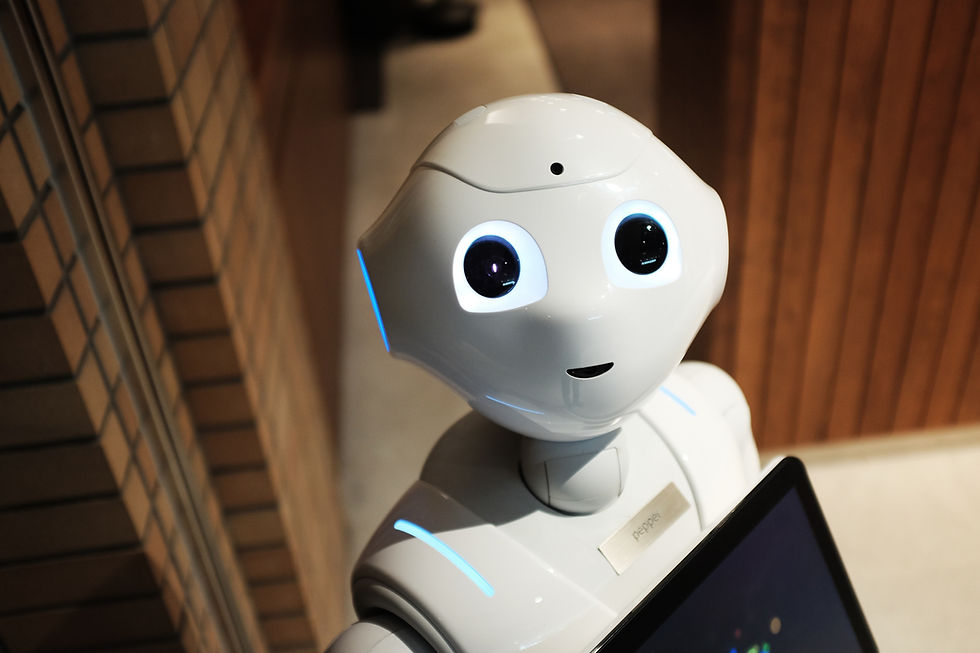
Artificial Intelligence (AI) has undoubtedly become a transformative force in various aspects of our lives, and the integration of AI into robotics is opening up new frontiers. In this blog post, we delve into the world of Artificial Intelligent Robots, examining their current state, potential applications, ethical considerations, and the societal impact they might have.
The Current State of AI in Robotics:
AI-powered robots are no longer confined to the realm of science fiction; they are increasingly becoming a reality. From autonomous drones to robotic vacuum cleaners, the fusion of AI and robotics is reshaping industries and daily routines. Industries such as manufacturing, healthcare, and logistics are witnessing a surge in AI-driven robotic systems that enhance efficiency and precision.
Potential Applications:
The potential applications of AI in robots are vast and diverse. In healthcare, robots equipped with AI algorithms can assist in surgeries, perform repetitive tasks, and even provide companionship for the elderly. In manufacturing, AI robots are streamlining production processes, reducing errors, and increasing overall productivity. The agricultural sector is also benefiting from AI-powered robots, optimizing crop monitoring and harvesting.
Ethical Considerations:
As we venture further into the era of AI robots, ethical considerations come to the forefront. Questions about job displacement, privacy concerns, and the potential misuse of AI technologies need careful examination. Striking a balance between technological advancement and ethical responsibility is crucial to ensure that AI robots contribute positively to society.
Job Displacement:
One of the most pressing concerns surrounding AI robots is the fear of job displacement. As these intelligent machines become more capable, certain routine tasks may be automated, leading to a shift in the job market. It is essential for society to address this issue by fostering education and training programs that equip individuals with the skills needed for the evolving job landscape.
Privacy Concerns:
AI robots often rely on vast amounts of data for learning and decision-making. This raises concerns about privacy, as personal information becomes intertwined with technological processes. Stricter regulations and robust data protection measures are imperative to safeguard individuals' privacy in the age of AI robots.
Potential Misuse:
The immense power of AI robots also raises concerns about potential misuse, whether intentionally or unintentionally. Ensuring robust security measures and ethical guidelines is crucial to prevent malicious applications of AI technology, such as unauthorized surveillance or autonomous weapons.
Societal Impact:
The societal impact of AI robots extends beyond economic and ethical considerations. These intelligent machines have the potential to revolutionize how we live and work, contributing to a more connected and efficient society. However, careful planning and ethical governance are essential to navigate the challenges and ensure that the benefits are shared equitably.
Conclusion:
Artificial Intelligent Robots represent a paradigm shift in how we interact with technology. As these machines become increasingly integrated into our daily lives, it is essential to approach their development with a thoughtful and ethical mindset. By addressing concerns related to job displacement, privacy, and potential misuse, we can harness the full potential of AI robots for the betterment of society. The conversation surrounding these issues is crucial for shaping a future where AI robots coexist harmoniously with humanity.


Comments